Tankless vs Tank Water Heaters: A Plumber’s Take
"Should I go tankless?" We get this one almost every day. And the honest answer is always the same: it depends.
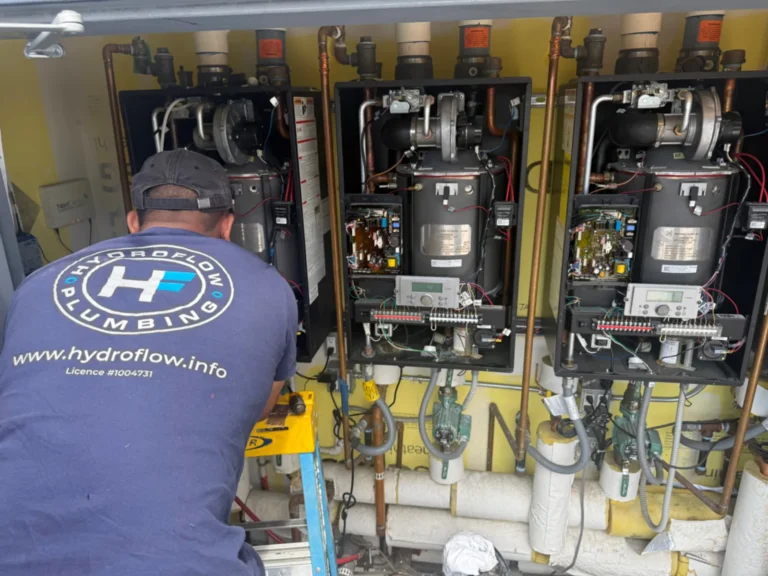
We install both tank and tankless water heaters every week. Navien, Rinnai, Bradford White, Rheem, and more. Here's what we tell customers when they ask.
How They Work
A tank water heater keeps 40 to 80 gallons of water hot at all times. When you use hot water, cold water fills the bottom and gets reheated. Simple, reliable, and unchanged for decades.
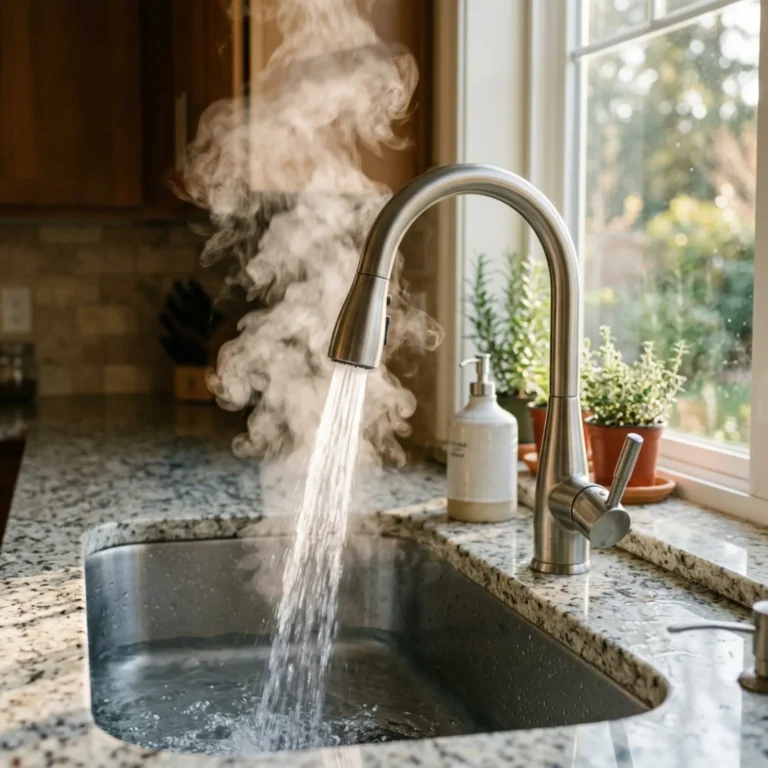
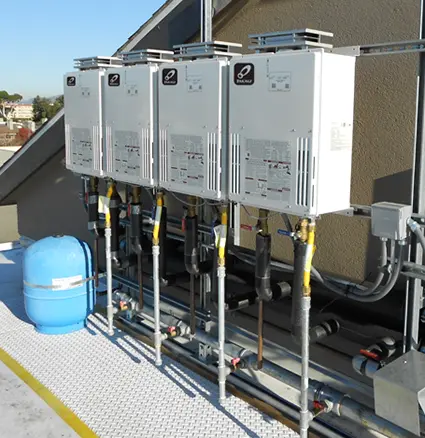
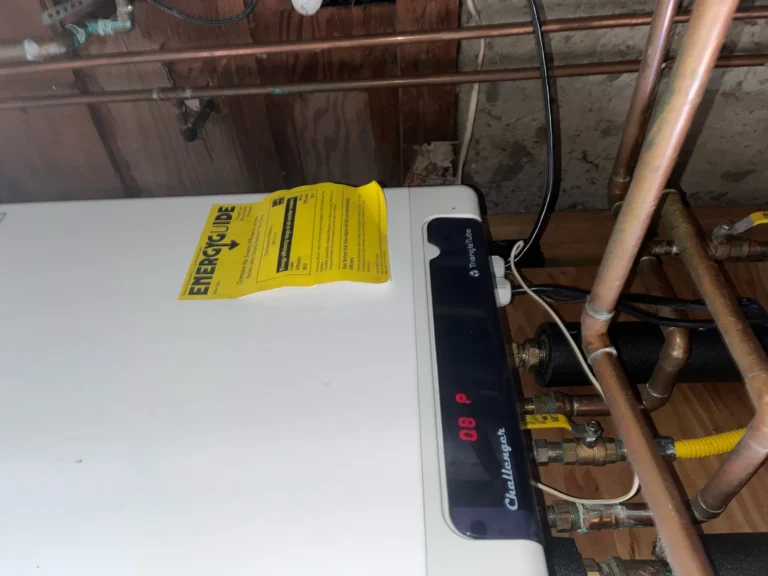
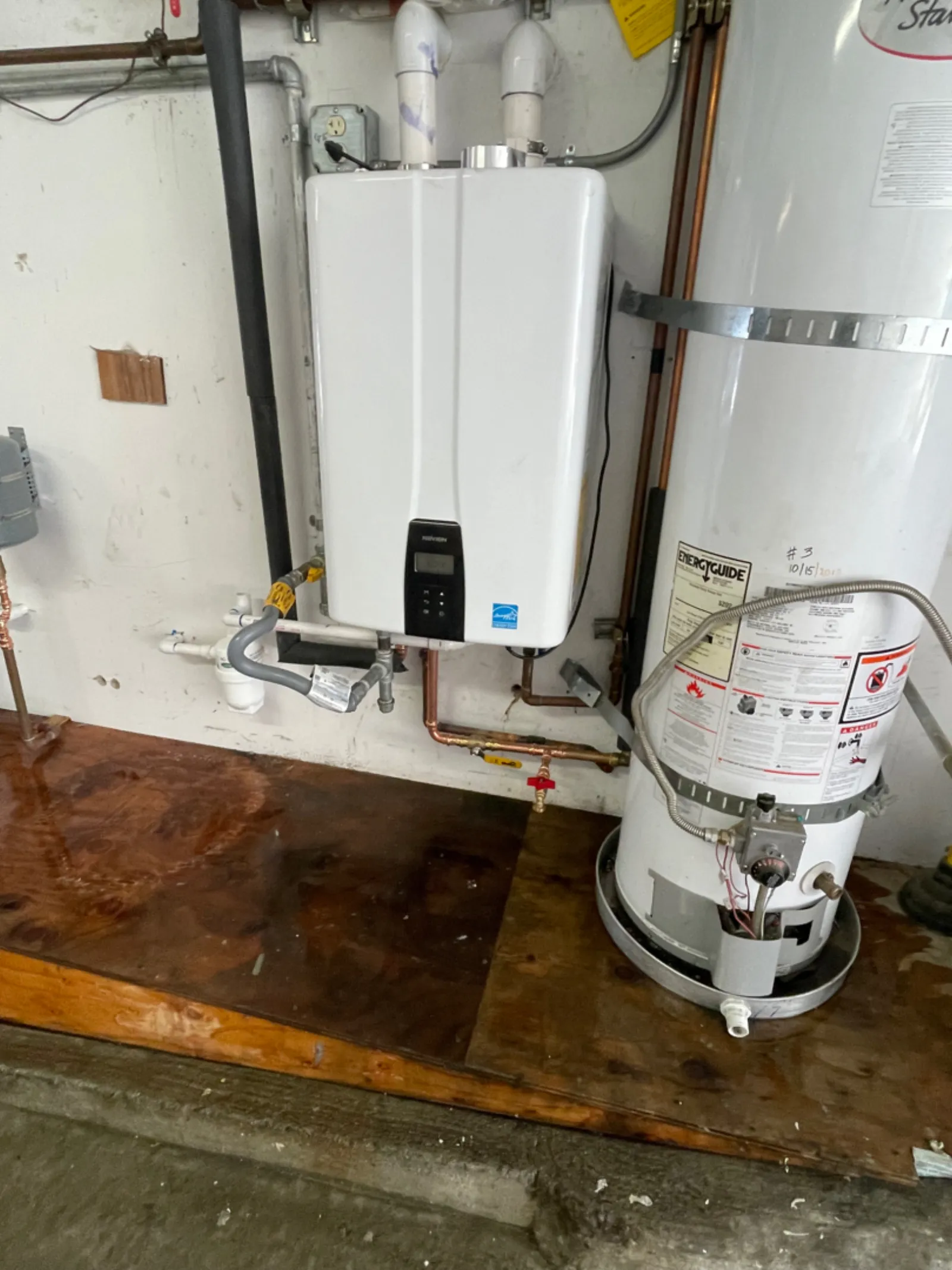
A tankless water heater heats water on demand as it flows through the unit. No stored water, no standby energy loss. But it has to work harder in the moment, and that's where the tradeoffs begin.
Cost Comparison
| Tank | Tankless | |
|---|---|---|
| Unit cost | $800 to $1,500 | $1,500 to $3,500 |
| Installation | $500 to $1,000 | $1,500 to $3,000 |
| Total installed | $1,300 to $2,500 | $3,000 to $6,500 |
| Lifespan | 8 to 12 years | 15 to 20 years |
| Monthly energy | $30 to $50 | $20 to $35 |
| Annual maintenance | Flush every 1 to 2 years | Descale every 1 to 2 years |
Tankless costs roughly double up front. Over 20 years, the energy savings and longer lifespan close that gap — but if you're purely trying to save money, a solid tank heater from Bradford White is hard to argue with.
The real case for tankless isn't savings. It's that you never run out of hot water, the unit takes up almost no space, and it lasts nearly twice as long.
When Tankless Makes Sense
Small spaces. San Francisco homes, especially in the Sunset, the Richmond, and Noe Valley, often have tight utility closets or no basement. A wall-mounted tankless unit frees up square footage.
High demand households. If you regularly run out of hot water while juggling showers, laundry, and the dishwasher, tankless eliminates the wait.
Long-term homeowners. If you plan to stay 10+ years, the longer lifespan pays off.
Gas line capacity is a factor, though. Your gas line needs to support the higher BTU demand. We check this on every assessment. Some older San Francisco homes need a gas line upgrade, which adds $500 to $1,500 to the project. For help deciding between an indoor or outdoor unit, see our indoor vs. outdoor tankless guide.
When a Tank Is the Better Call
Budget-conscious projects. If upfront cost matters most, a quality tank from Bradford White or Rheem is a proven, affordable choice.
Simple replacement. If your current tank heater works fine and you need a swap, there's no compelling reason to switch to tankless unless space or demand is an issue.
Electric-only homes. Electric tankless units require significant electrical upgrades (200+ amp panel). An electric tank or heat pump water heater is usually the smarter move.
What About Heat Pump Water Heaters?
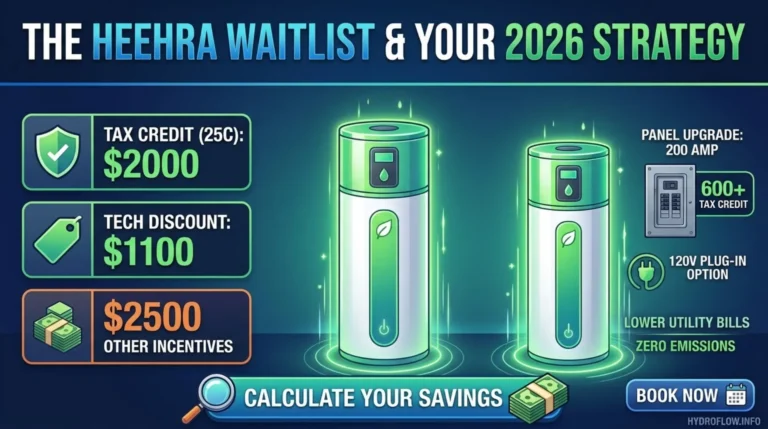
There's a third option gaining ground fast: heat pump water heaters. They're the most efficient option available, running 2 to 3 times more efficiently than gas. Federal and California rebates can cut the cost significantly. If you're considering electric, we wrote a full breakdown.
Bay Area Considerations
A few things come up in almost every Bay Area install:
Gas line sizing. Tankless units need ¾" gas lines minimum. Many older San Francisco homes have ½" lines. We check this on every assessment and include the upgrade cost in our estimate when needed.
Venting. Condensing tankless units like the Navien NPE series can vent with PVC through a side wall. No chimney needed. Big advantage in homes without existing flue access.
Hard water. Bay Area water is moderately hard. Both tank and tankless units need regular maintenance. Sediment flushing for tanks, descaling for tankless. If you're hearing noises from your water heater, that's usually the sign it's overdue.
Recirculation. Tired of waiting 2 minutes for hot water? Recirculation systems solve this. Navien's built-in Smart-Circ recirculation is one of the reasons we install so many of their units.
So What Do We Actually Recommend?
We don't push one over the other. We install both every day and our margin is similar on both. Our recommendation depends on the home:
Most SF homes with gas: Tankless. Space savings and endless hot water.
Budget replacements: Tank. Proven, affordable, quick install.
Electric homes or new construction: Heat pump water heater. Best efficiency and rebates.
The best way to know which is right for your home is a quick assessment. We look at your gas line, available space, and household demand, then give you a straight answer.
Questions We Hear a Lot
Do tankless water heaters really last 20 years?
With annual descaling, yes. Navien and Rinnai units regularly last 15 to 20 years. The key is maintenance. A tankless that's never descaled will fail much sooner.
Will I run out of hot water with a tankless?
No. That's the main advantage. A tankless unit heats water continuously. There is a limit to how much it can produce at once (measured in gallons per minute), but a properly sized unit handles 2 to 3 simultaneous fixtures without issue.
Is it worth switching from tank to tankless?
If your current tank is failing and you want the upgrade, yes. If your current tank is working fine, there's no urgency. We'd recommend switching proactively only if space savings or endless hot water is a real priority for you.
Not sure which type fits your home? We can look at your setup and give you a straight answer. (415) 623-6564