Eichler Radiant Heating: Preventing Slab Leaks
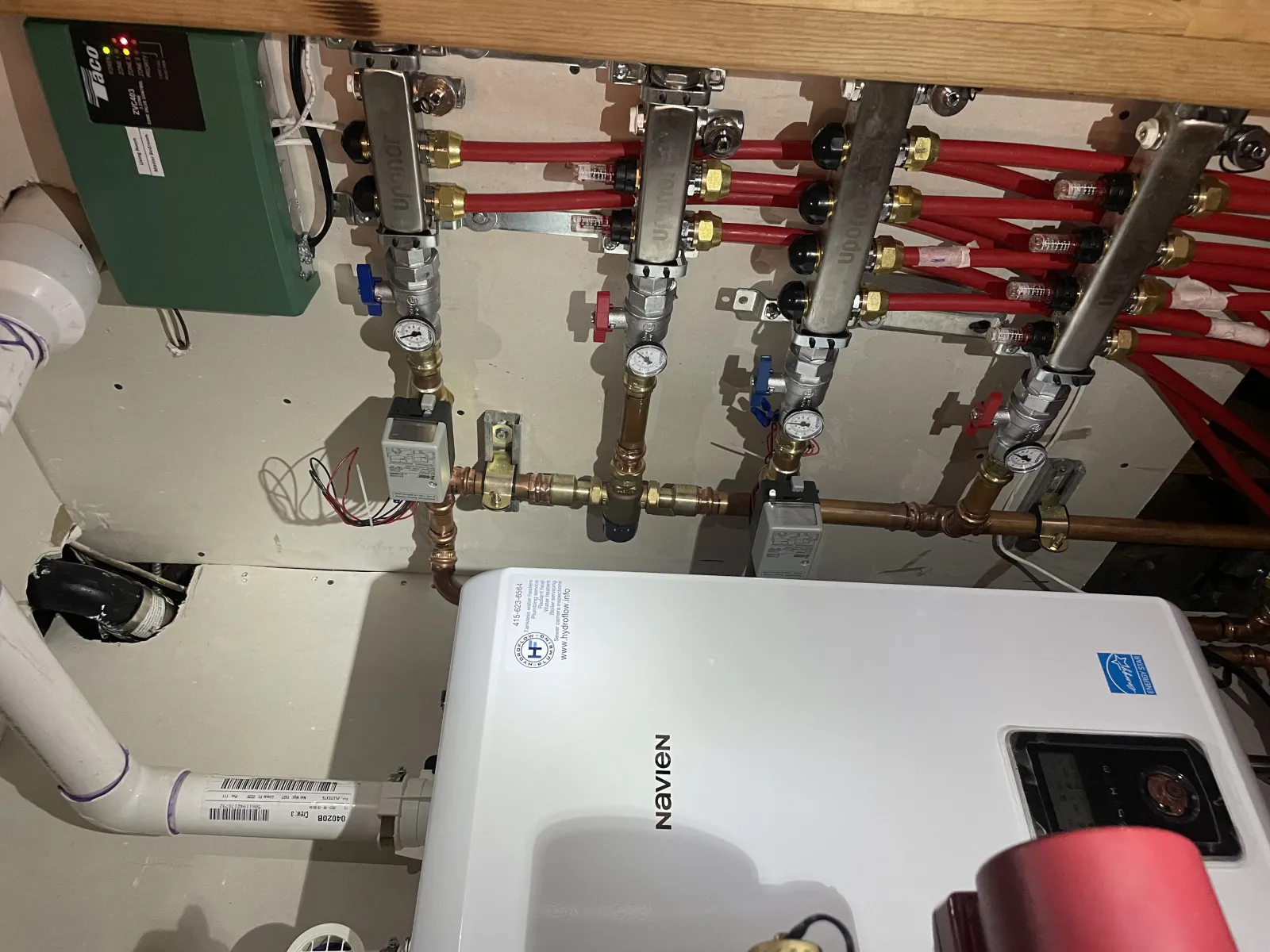
Table of Contents
Eichler homes were the original push for underfloor heating. Gorgeous houses with open floor plans and no ductwork. The radiant system is part of what makes them special.
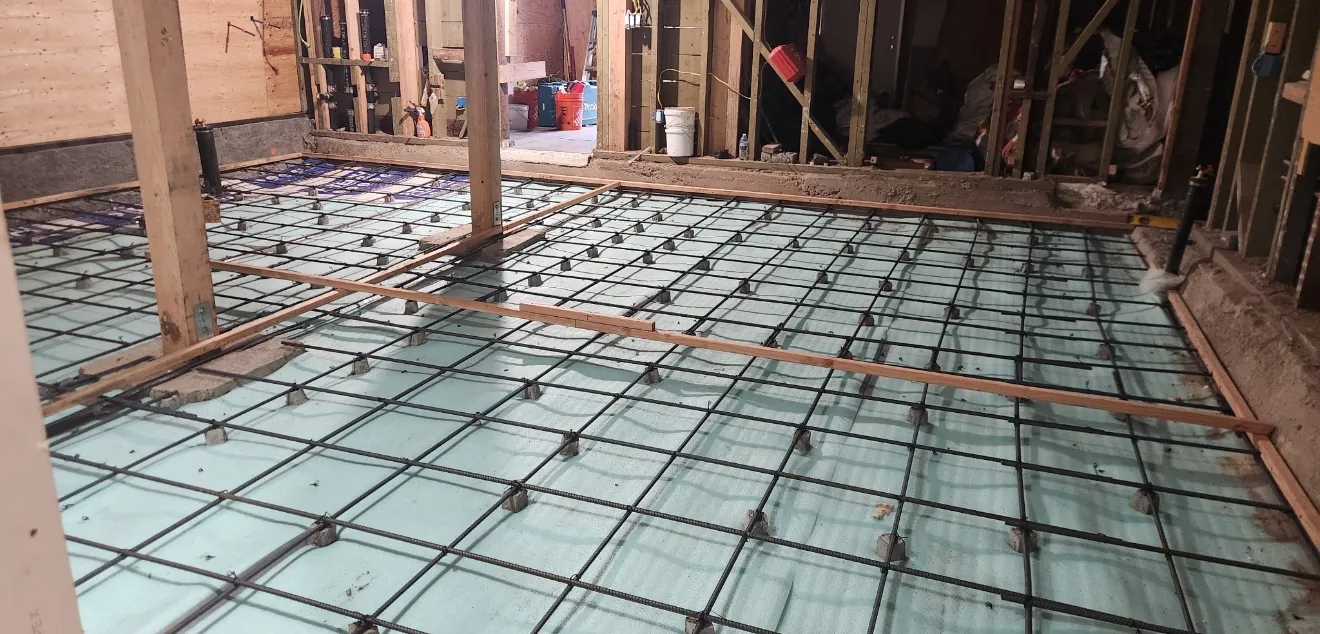
But those copper loops buried under the slab are irreplaceable. You can replace a boiler. You can’t easily replace piping that’s encased in concrete. If the radiant system develops pinhole leaks from neglect, you’re looking at removing flooring, cutting concrete, and a repair bill that starts at $20,000.
The good news: proper maintenance prevents this. Here’s what it takes.
Why Eichler Radiant Systems Are Vulnerable
The original Eichler radiant loops are copper tubing embedded in a concrete slab. After 50 to 70 years, the copper is still functional in many homes, but it’s not invincible.
The two biggest threats are corrosion from untreated water and pressure damage from an improperly connected boiler.
When you swap in a new boiler and connect it directly to those old copper loops without treating the system first, you can expose weaknesses in the pipes. Debris, scale, and flux residue from the original installation get stirred up and eat through thinning copper walls. That’s how pinhole leaks start.
We wrote a full guide on why a new boiler can damage your Eichler if it’s not installed with the right protocol.
The Maintenance Protocol
Here’s what we do on every Eichler radiant service to keep those loops healthy:
1. System Flush and Purge
We flush the entire loop to remove sediment, debris, and old inhibitor. This is especially important after a boiler swap or if the system hasn’t been serviced in several years. The flush clears anything that could cause blockages or accelerate corrosion.
2. Chemical Inhibitor Treatment
After flushing, we add a corrosion inhibitor that coats the inside of the copper loops. Think of it as a clear coat for your pipes. The inhibitor chemically cleans the lines and then protects them from further degradation.
This needs to be refreshed periodically. We check inhibitor levels during annual service.
3. Magnetic Dirt Separator
A magnetic dirt separator (like a MagnaClean) installs on the return line to the boiler. It catches metallic debris circulating in the system before it reaches the boiler’s heat exchanger or settles in the radiant loops. This is one of the most cost-effective protections you can add. We install them on every Eichler boiler job.
4. Pressure Test
We pressure-test the radiant loops to check for existing leaks. A slow pressure drop over 24 hours indicates a small leak somewhere in the slab. Catching this early means a targeted repair rather than exploratory demolition.
5. Water Chemistry Check
The pH and dissolved mineral content of the circulating water affect corrosion rates. In Marin County and parts of San Francisco where water is harder, the system water needs more attention. We test it annually and adjust treatment as needed.
What Happens When Maintenance Gets Skipped
We’ve seen it too many times. A homeowner gets a new boiler installed by a contractor who doesn’t know Eichler systems. No flush. No inhibitor. No dirt separator. Six months later, a pinhole leak appears.
The repair process is painful:
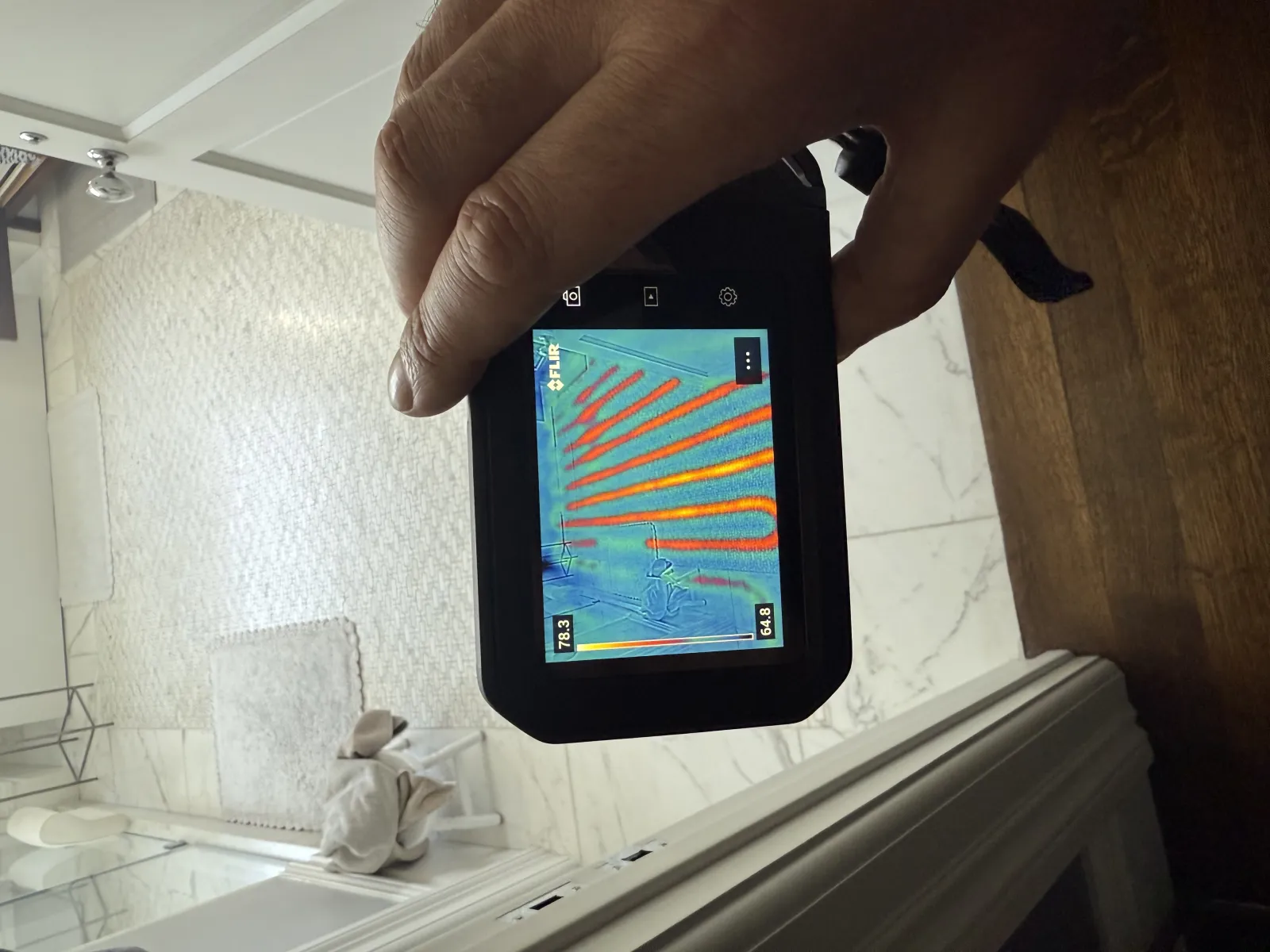
- Locating the leak requires thermal imaging or pressurizing the loops and listening
- Accessing the pipe means removing flooring and cutting through the concrete slab
- Repairing the section and patching the concrete
- Restoring the flooring (tile, hardwood, or concrete finish)
Total cost for a single slab leak repair: $5,000 to $15,000 depending on location and flooring type. Multiple leaks can push the cost past $20,000. And at that point, some homeowners abandon the radiant system entirely and switch to forced air or mini-splits.
A stitch in time saves nine. Annual maintenance costs a few hundred dollars. Slab leak repair costs thousands.
How Often Should You Service an Eichler Radiant System?
Annually. Every year, at minimum. The boiler gets a combustion analysis and safety check. The system water gets tested. The inhibitor level gets checked.
If your system hasn’t been serviced in more than 3 years, start with a full flush and inhibitor treatment before resuming annual service.
For homes with a new boiler install, the first service should happen 6 months after installation to check that the flush held and no debris has accumulated.
What Eichler Owners Ask
Can I maintain my Eichler radiant system myself?
You can bleed radiators and check pressure visually. But the flush, inhibitor treatment, and combustion analysis require tools and chemicals that aren’t practical for DIY. The risk of doing it wrong and damaging the loops isn’t worth it.
My Eichler radiant system has a leak. Is it over?
Not necessarily. A single pinhole leak can be repaired if it’s in an accessible location. Multiple leaks in different sections usually indicate system-wide corrosion, and at that point replacement or abandonment becomes the conversation.
Which boilers work best with Eichler systems?
Lochinvar and Viessmann are our top picks for Eichler jobs. Both modulate down to low water temperatures that are safe for aged copper loops. See our boiler replacement cost guide for pricing.
Own an Eichler? Call us at (415) 623-6564 or schedule a radiant system inspection. We service Eichler homes across San Francisco, Marin County, and the greater Bay Area. Visit our Eichler plumbing page for more on our approach.
HydroFlow
San Francisco's trusted experts in plumbing, radiant heating, and boiler services. Serving the Bay Area since 2005.