Which Insurers Give Discounts for Leak Detection?
Water damage is the most common homeowner insurance claim in the country. The average claim runs over $12,000, and that number climbs fast when you factor in mold remediation, structural repair, and temporary housing.
Insurers are tired of paying those claims. Many now offer premium discounts for homes with smart leak detection devices. Some, like State Farm in California, have made them a requirement. Here's the full picture.
Which Insurance Companies Offer Discounts?
Not every insurer advertises their leak detection discount. You often have to ask. Here's what we've confirmed as of 2026:
| Insurer | Discount Type | Details |
|---|---|---|
| State Farm | Requirement (CA) | Mandates device in many CA zip codes. Non-compliance can lead to non-renewal. |
| Amica | Partnership + discount | Partners with Phyn and Moen. Offers premium credits for verified installs. |
| USAA | Connected Home discount | Enrolls qualifying devices in their connected home program for rate credits. |
| Travelers | TravelersConnect | Offers free or discounted Phyn devices to policyholders in eligible areas. |
| Nationwide | Smart Home discount | Partners with device manufacturers for bundled discounts. |
| Mercury | CA-specific discount | Offers premium credits for verified installations. Popular in the Bay Area. |
| Bamboo Insurance | CA-specific | Discount for smart water shutoff. California-focused insurer. |
| PURE | Risk management credit | High-value home insurer. Credits for monitored whole-home systems. |
Percentages and eligibility vary by zip code, policy type, and coverage level. Call your agent to confirm what's available on your policy.
If your insurer isn't listed, ask anyway. Many carriers are rolling out smart home discounts faster than they're advertising them.
What Type of Device Qualifies?
There are two main categories, and they're not treated equally by insurers.
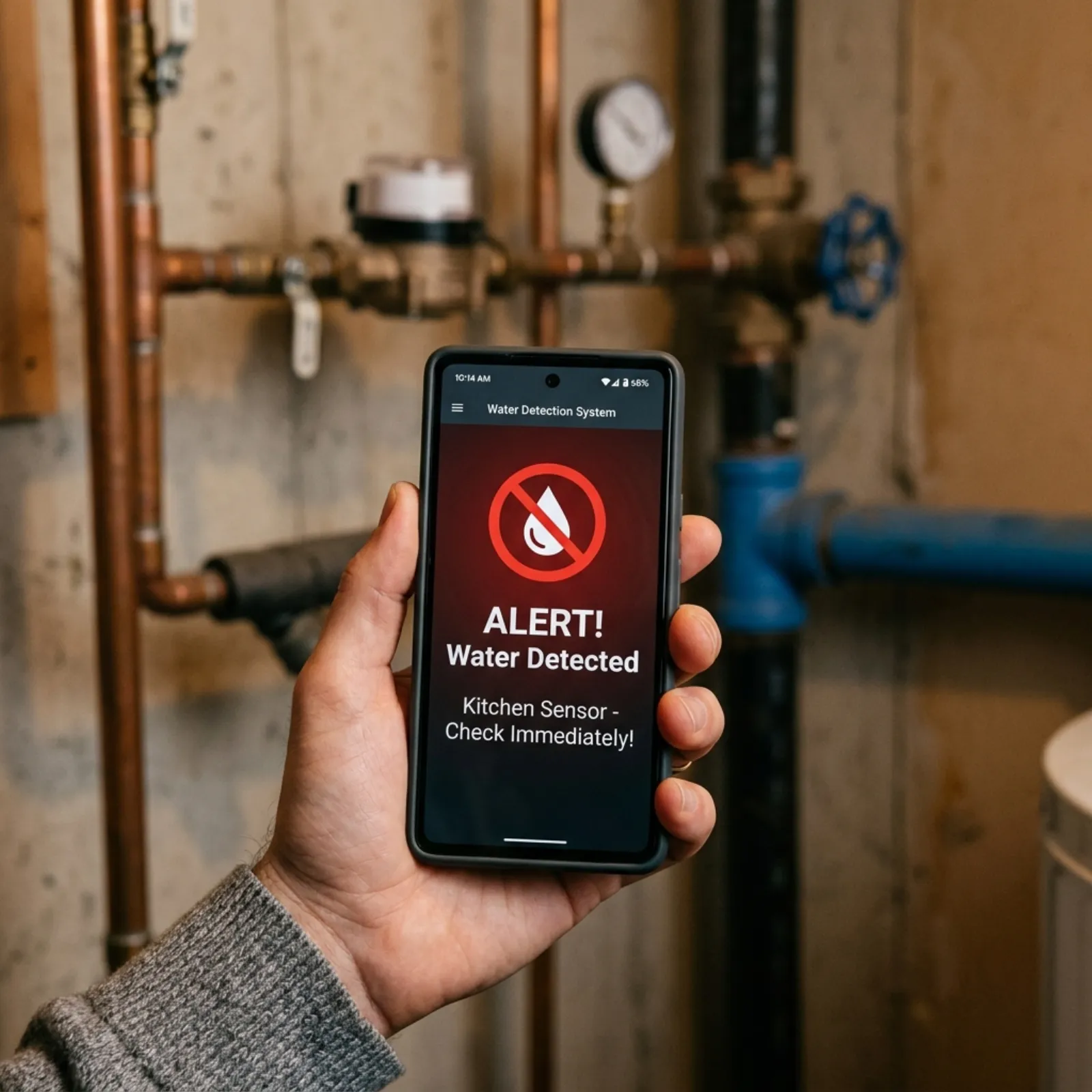
Point-of-use sensors (like Govee or Samsung SmartThings leak sensors) sit under a sink or behind a toilet and send you a phone alert when they detect moisture. They're inexpensive and useful, but they don't stop the water. Most insurers don't offer meaningful discounts for these.
Whole-home flow monitors with automatic shutoff (like Phyn Plus or Moen Flo) install on your main water line. They learn your home's normal usage patterns and shut off the water supply automatically when they detect something abnormal. These are the devices that qualify for the bigger discounts and satisfy insurer requirements.
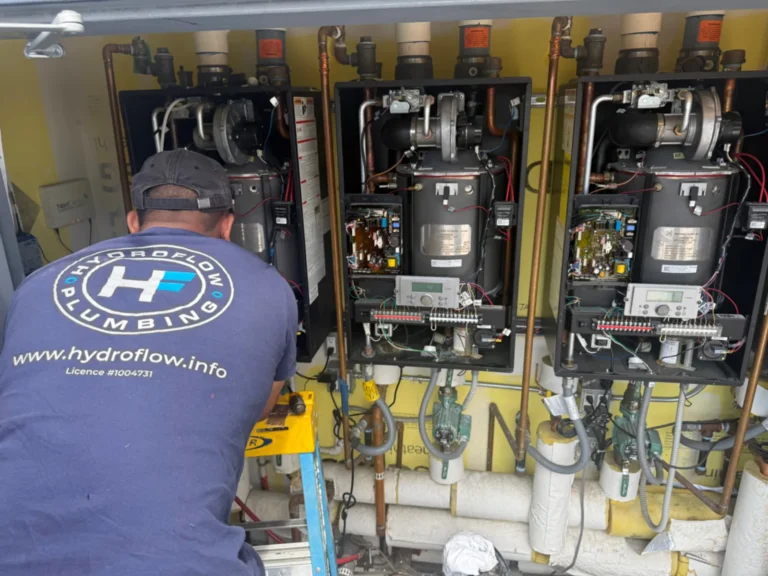
We install both Phyn and Moen systems. They're comparable products. The right choice depends on your plumbing configuration and whether your insurer has a preferred brand.
How Much Can You Actually Save?
The typical premium discount for a qualifying device is 8 to 12%.
| Annual Premium | 8% Discount | 12% Discount |
|---|---|---|
| $1,500/yr | $120/yr | $180/yr |
| $2,000/yr | $160/yr | $240/yr |
| $3,000/yr | $240/yr | $360/yr |
A professional installation runs $1,500 to $2,000 depending on your main line size and accessibility. At an 8% discount on a $2,000 policy, the device pays for itself in about 8 years from premium savings alone.
That math doesn't factor in the biggest benefit: avoiding a claim entirely. A single burst pipe while you're on vacation can easily cost $20,000 to $50,000 in damage. The device pays for itself the first time it prevents that.
How to Get the Discount
The process is straightforward:
- Call your insurer and ask about smart home or water mitigation credits. Not all agents volunteer this information.
- Ask which devices qualify. Some insurers maintain an approved list. Others accept any automatic shutoff device on the main line.
- Have it professionally installed. Many insurers require a licensed plumber for the discount to apply. DIY installs may not qualify.
- Submit documentation. Your insurer will want a receipt, photos of the installed device, and sometimes the device serial number.
- Confirm the discount is applied to your next renewal. Follow up if you don't see it reflected.
California: When It's Not Optional
If you're a California homeowner, you may have already received a letter from State Farm requiring a smart shutoff device. We wrote a full breakdown of what the State Farm requirement means and how to comply.
Other California insurers are moving in the same direction. Mercury and Bamboo have introduced similar programs. If your insurer hasn't required it yet, getting ahead of it makes sense.
What About Older Homes?
Older homes in San Francisco and Marin County are exactly where these devices matter most. Aging galvanized pipes, original copper supply lines, and decades-old water heater connections are the most common leak sources we see. If your water heater is making unusual noises, that's often an early warning sign.
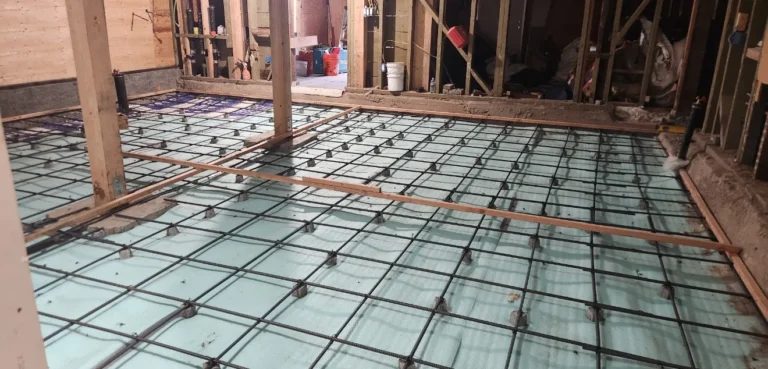
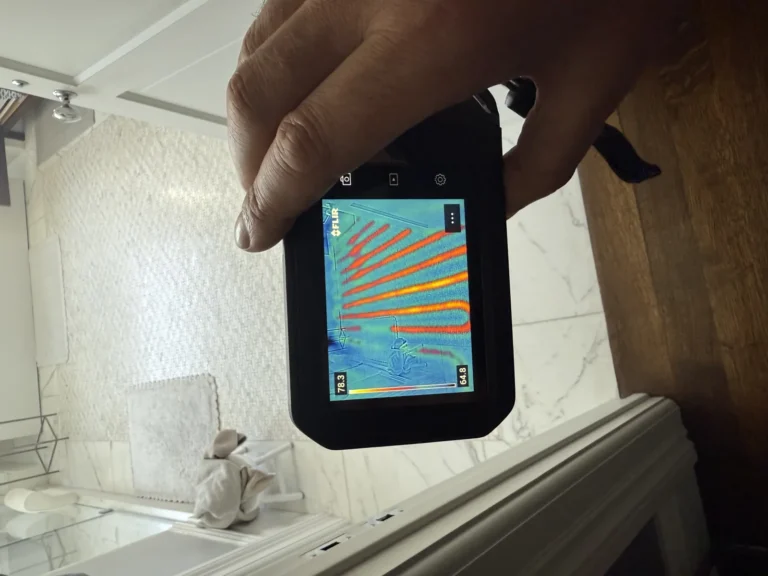
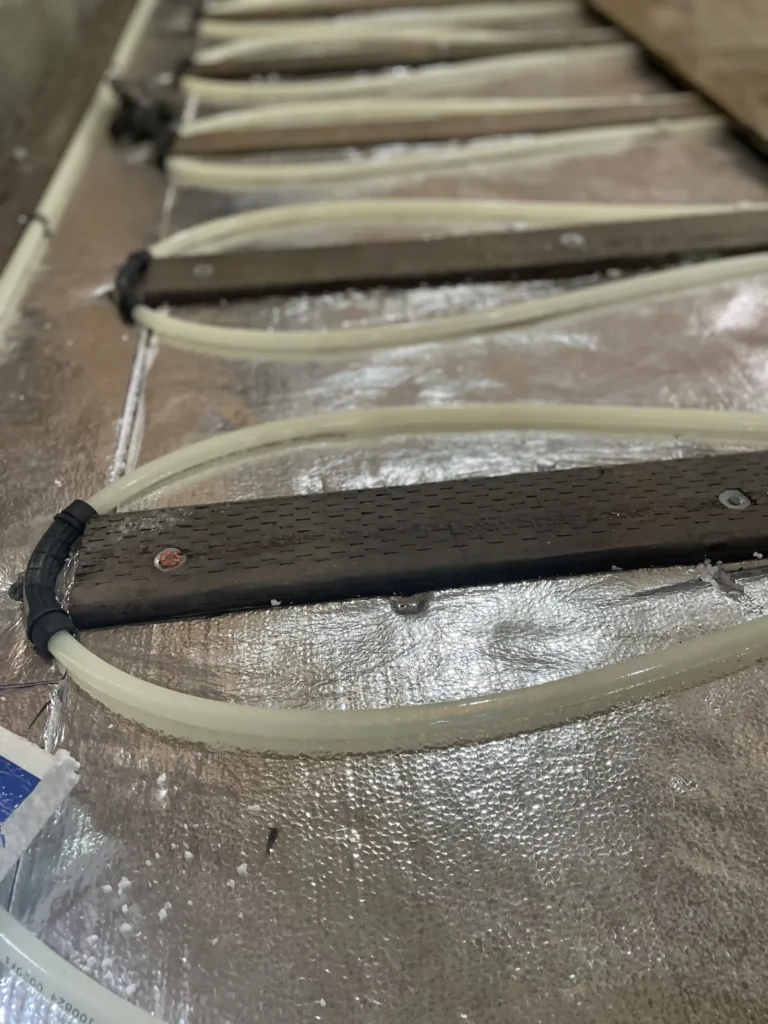
Eichler homes are a special case. Those in-slab copper radiant heating loops are irreplaceable if they develop a leak. A whole-home shutoff device protects the domestic plumbing, but for Eichlers, we also recommend leak monitoring on the radiant system itself.
Common Questions
Does my insurer require a specific brand?
It depends. State Farm accepts most automatic shutoff devices that install on the main line. Some insurers partner with specific brands (Travelers with Phyn, for example) and may offer better discounts for those devices. Ask your agent for their approved list.
Can I install the device myself?
Technically, yes. But many insurers require proof of professional installation for the discount to apply.
How long does installation take?
About 2 to 3 hours for a standard residential install. We shut off the water, cut into the main line, install the device with a bypass valve, connect power and Wi-Fi, and test everything before we leave.
Will the device cause false shutoffs?
Occasionally in the first week while the device learns your usage patterns. Filling a pool or watering the lawn can trigger a shutoff. You override it from your phone in seconds, and the algorithm improves quickly.
We install Flo by Moen, Phyn, and other smart shutoff devices across San Francisco and Marin. Ask about insurance-qualifying installations →